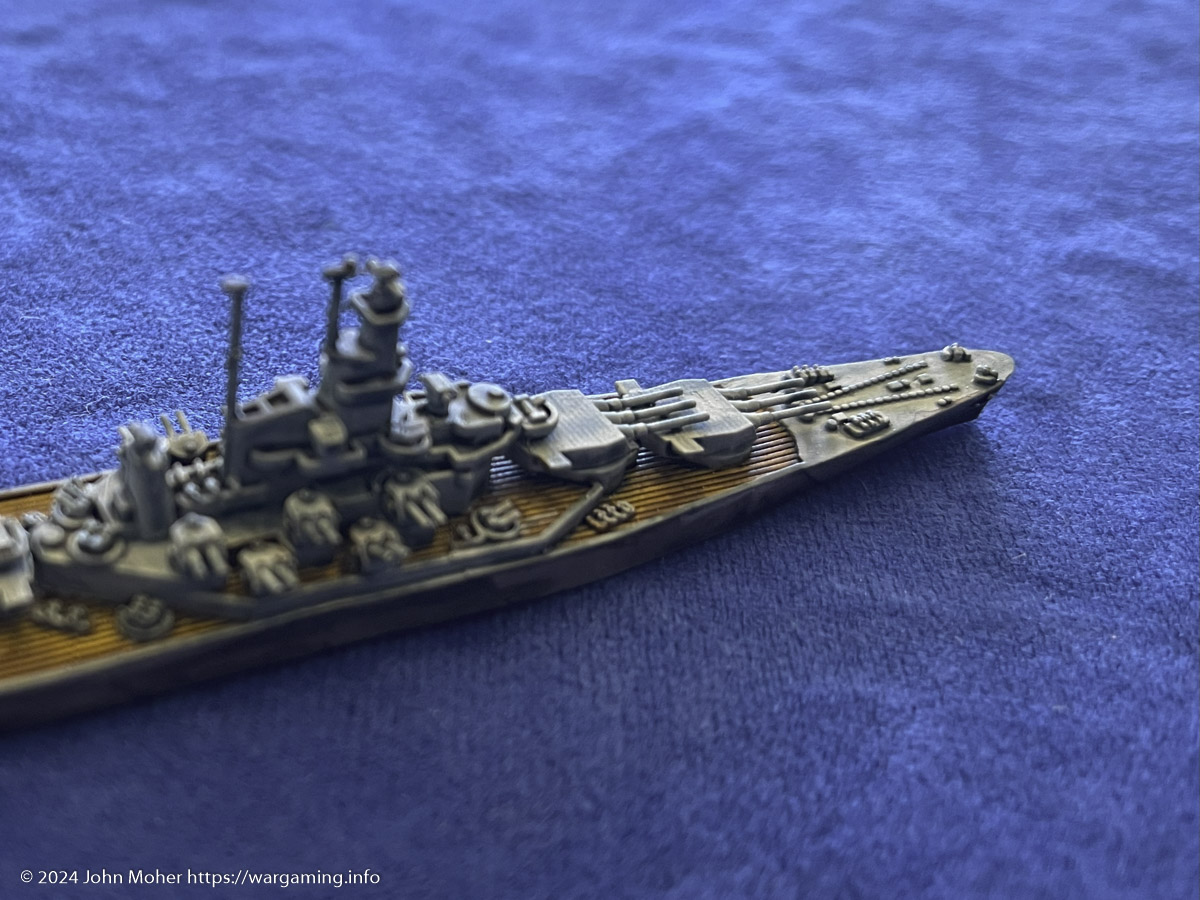
Continuing on from my last post on Nimitz: And We’re Off! Nimitz On Table Action, At Last: Part Two… So my buddy Dave H has 3D Printed and painted a sample vessel in 1/1800 scale for Nimitz, from the STL range of Lee McColl’s available on MyMiniFactory. This is a couple of sample pics of the vessel, along with a comparison of it alongside my 1/2400 HMS Hood, and some quick thoughts and notes on basing.
Continue reading “Nimitz 1/1800 Eye Candy”Category: WW2 History
MotA First Impression: A Little Underwhelmed
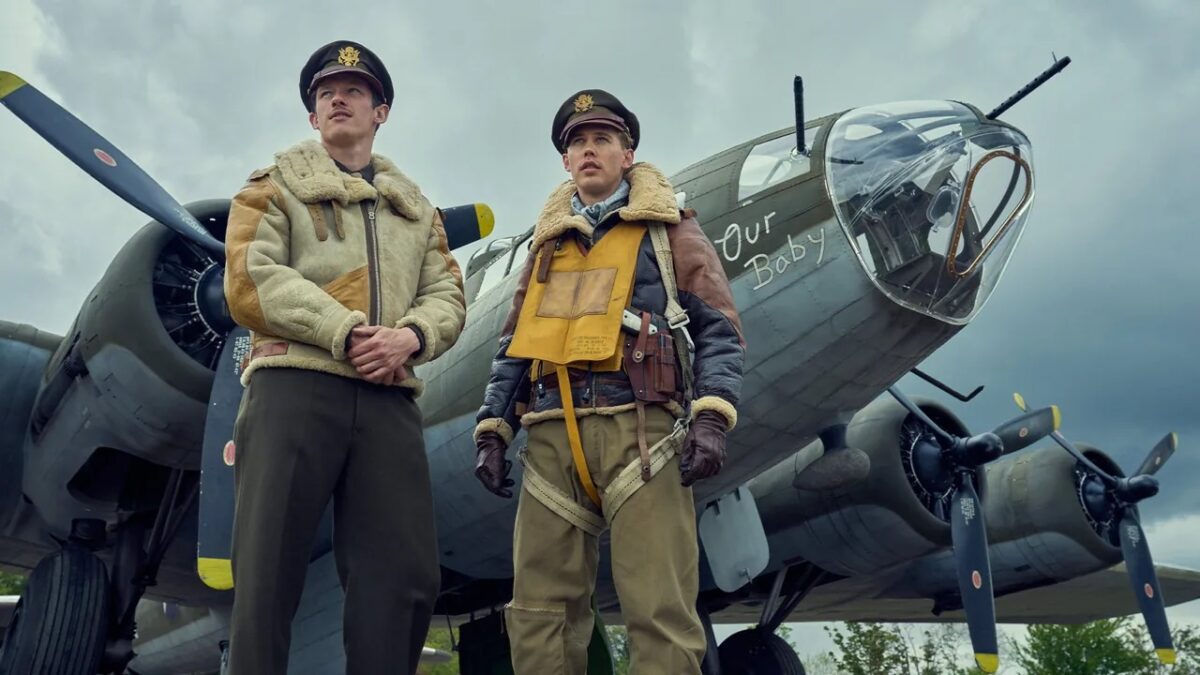
The first 2 episodes of Masters of the Air dropped on AppleTV a few days ago and it wasn’t long before there were floods of posts about how awesome it was and about how stunning and full on the combat scenes were, and the usual nitpicking such as the Brit Bashing in episode 2. I got around to watching it a couple of days later, and I’ve been mulling over what I experienced for 2+ days before writing anything – and this is how I feel about it…
Continue reading “MotA First Impression: A Little Underwhelmed”ANZACS At The Frontiers 1941-45: Northern Italy
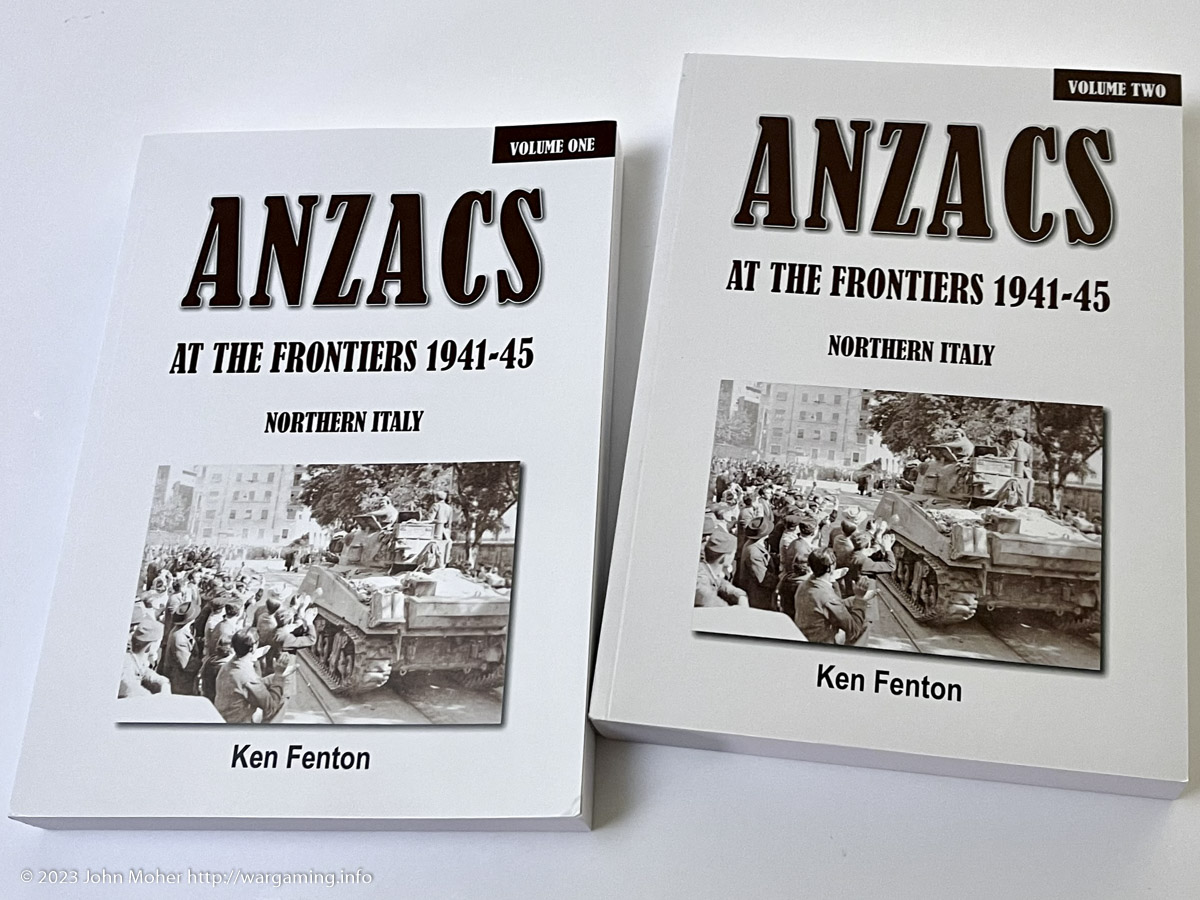
I’ve recently stumbled across this interesting 2-Volume book ANZACS At The Frontiers 1941-45: Northern Italy by Ken Fenton – at least I don’t recall having seen these before. The overview starts “what happened in northern Italy over the years from 1941 to 1945 affected the lives of thousands of New Zealand and Australian servicemen, caught up in the events that were taking place in the Mediterranean Theatre of Operations…“
Continue reading “ANZACS At The Frontiers 1941-45: Northern Italy”The Confusion of British 2pdr & 6pdr HE in WW2
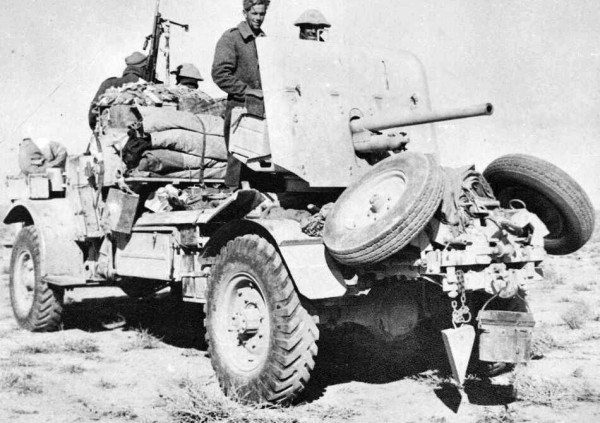
Over the years there has been a lot of confusion around British HE for 2pdr and 6pdr guns – especially in the early part of the war. e.g. The 2pdr didn’t have HE, yes it did originally in 1940 but they stopped making it, no it didn’t, yes it did and they even had 11,000 rounds of it siting in storage at the outbreak of World War II – they just never issued it to the troops! Anyway I thought it might be useful (for my sanity and anybody else’s) to collate the facts as known (at least as I now know them), given a lot more information has come to light in the last 10-15 years on the subject. This was partly sparked by a recent YouTube video I watched (on the Matilda) that quoted quite inaccurately the claim that the British had 2pdr HE (in storage in 1939-1941) and never issued it, either through incompetence or criminal negligence!
Continue reading “The Confusion of British 2pdr & 6pdr HE in WW2”Mackay Force in the Florina Valley 1941
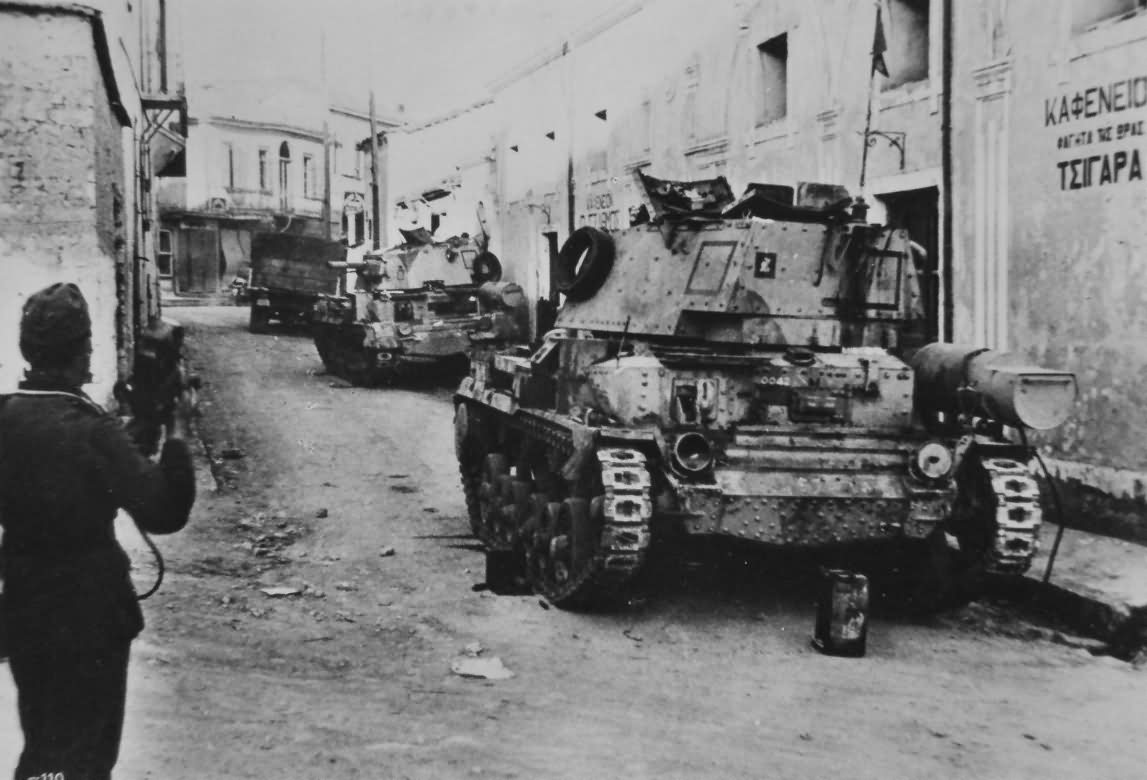
Quite sometime ago I wrote a simple resource document for a Spearhead mini-campaign set in the Florina Valley in April 1941. Mackay force was a weak-division sized force (of British, Australian & New Zealand troops) sent to cover the Monastir Gap; and prevent a German thrust down central Greece that would split the main Greek Army on the Albanian Front in the west from the British & ANZAC “W” Force (and remaining weak elements of the Greek Army) on the Bulgarian (eastern) front. It was necessitated by the sudden and very unexpected ‘rapid’ collapse of the Royal Yugoslavian Army, which, although not overly modern was still expected to have put up sufficient resistance to have at least held up the Germans for a few weeks and been able to at least hold a final defensive line in Southern Yugoslavia in co-ordination with the Greek Army on the Albania frontier.
Continue reading “Mackay Force in the Florina Valley 1941”Raid On Villa Winter
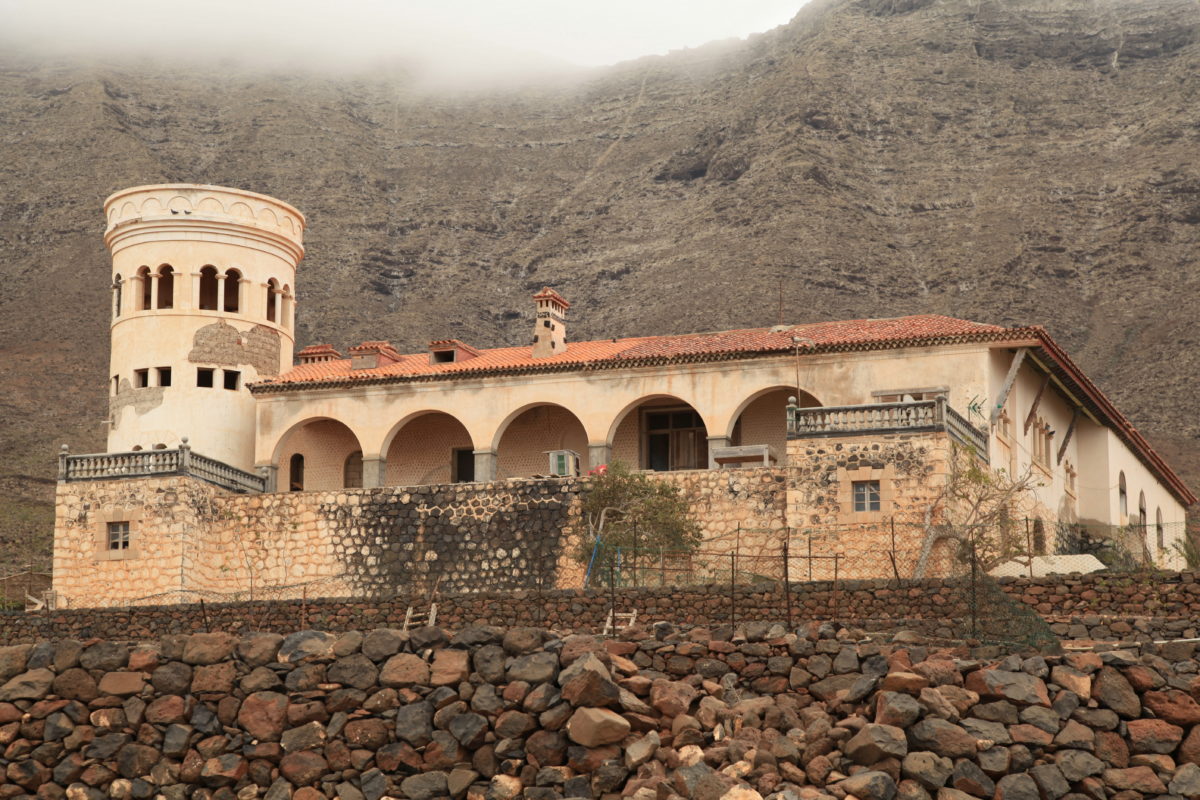
“Captain Hendry de Cromault paddled steadily and quietly through the uneasy surf, his sergeant and some of his men behind him doing likewise. To either side more boats of British Commandos were also paddling through the surf. As their boats ran up on the volcanic beach with the crashing breakers covering their approach, the first rays of the sun were providing a faint glow off to the east well beyond the mountains, and even further, as the sun rose over Africa and headed towards the Atlantic Ocean. Quickly drawing their boats ashore, they were startled by the sudden winking of a bright lamp inshore, sending jumbled encrypted Morse code signals; ‘a U-Boat must be about’ Cromault thought to himself, ‘why else would the Villa Winter be activating it’s powerful beacon lamp, hopefully it doesn’t stumble across their transport home, a Royal Navy Destroyer lurking to the north’. Even as he thought about it his raiding force was assembling around him at their rallying points, and beyond expectations the entire force had safely made it ashore. Assembled on one of the remotest parts of the Canary Islands, they set off to accomplish their mission of destroying the secret mid-Atlantic U-Boat base built and run by by Gustav Winter, a reclusive German engineer, disguised beneath his Villa ‘Casa Winter’ on the island…“
Continue reading “Raid On Villa Winter”Pacific Theatre Reading List
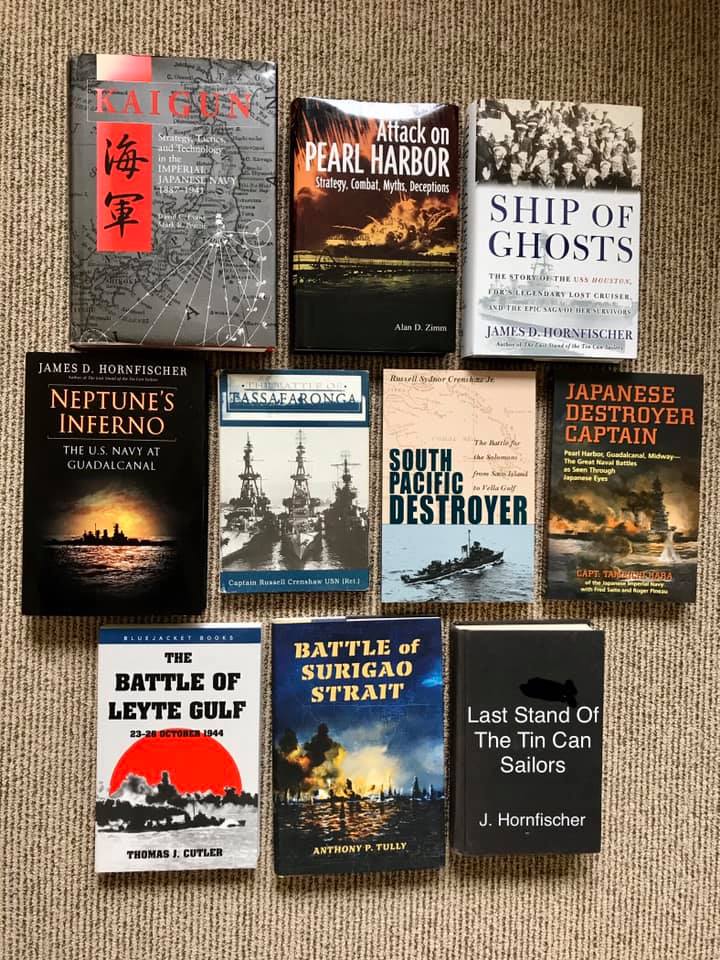
Back in late March 2020 New Zealand went into it’s initial (ultimately 5-week) lockdown to stop the spread of the initial wave of the COVID-19 pandemic. As part of that lockdown I took the opportunity to try and catch up on some reading on the pacific theatre (as I have accumulated a reasonable collection of books and had read only a few) – this is the reading list I put together for April 2020…
Continue reading “Pacific Theatre Reading List”USS Hornet: Mutiny & Mayhem at Midway
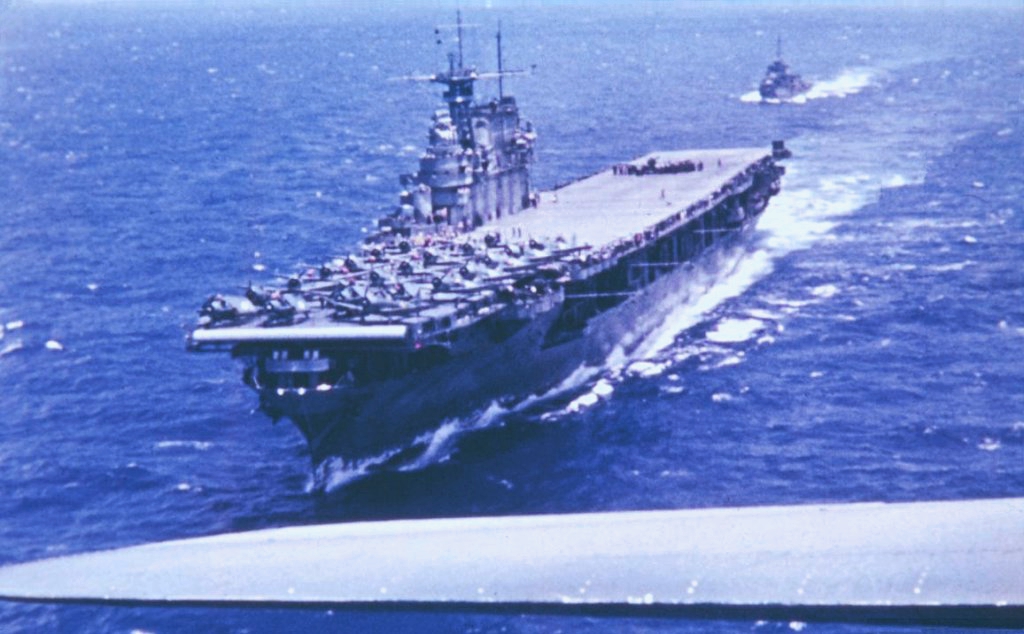
The traditional history of the battle of Midway briefly covers the USS Hornet’s Torpedo Bomber attack and then dismisses the remainder of the air group as flying too far south and missing the Japanese carriers, but the truth is quite a bit different! In fact the air group was a dysfunctional formation, led by a poor performing commander that went on a ‘flight to nowhere’ that resulted in actions that amounted to mutiny, the loss of numerous aircraft without seeing action, and the near-suicidal lone attack by the torpedo bomber squadron from the group.
Continue reading “USS Hornet: Mutiny & Mayhem at Midway”Jagdpanther with Hilary Doyle
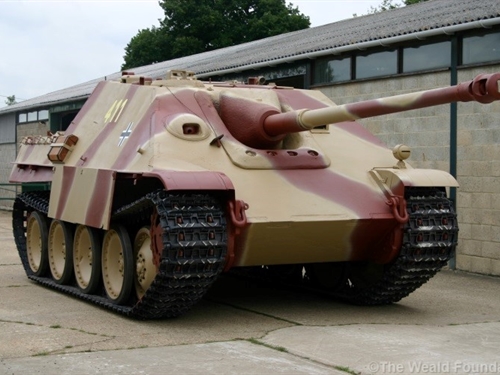
Fantastic Video of the Weald Foundation operational Jagdpanther, presented by Hilary Doyle (renown German Armour Expert) with some absolutely fascinating and obscure facts included. A must watch if you are a WW2 Tank fan. Continue reading “Jagdpanther with Hilary Doyle”
Latest Ready Made Diecast 1/72 Models
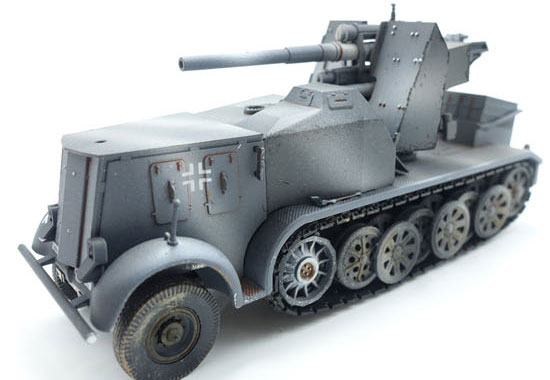
The wealth of ready made diecast style models now is simply amazing. Especially in the 1/72 scale range (and I’m including 1/76 and 1/87 in that statement). I’ve not paid much attention to the scene in recent years, but just recently have been looking at it again, especially with a view to getting back into playing some Crossfire again. One of the semi-recent arrivals is PMA (Precision Model Art) and they are producing some highly detailed models that feature interior detail (such as engines and such). They do a range of very nice historical WW2 German models that include a V-2 Rocket (in 4 variants), 8.8cm FlaK, and several Sd.Kfz 8 Half-Track variants; including one of which is my favourite the 8.8 cm Flak 18 (Sfl.) auf Zugkraftwagen 12t (Sd.Kfz. 8) on the DB9 chassis. They also have some nice vehicle crew sets, German Kubelwagens & Motorcycles, and a nice LRDG Chevrolet Truck. Continue reading “Latest Ready Made Diecast 1/72 Models”
Polish Army Video 1939
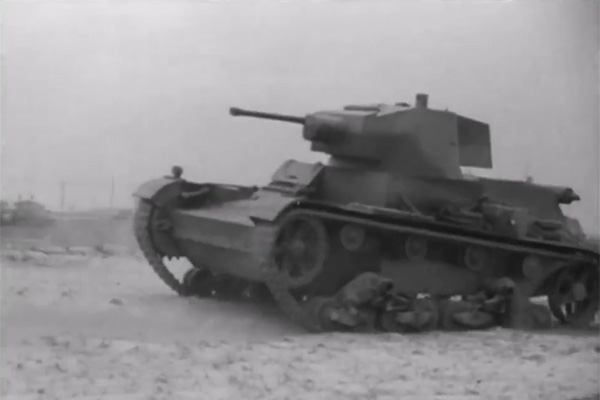
Here’s a fantastic video of the Polish Army’s equipment (taken sometime pre-September 1939) showing lots of great shots of things like Bofors 37mm AT & 40mm AA Guns, both types of tanks (the Vickers and the 7TP), Armoured Cars, Infantry & HMG teams, various motorcycles, trucks, half-tracks and fully-tracked tractors (e.g. C2P / C4P / C7P), Skoda 220mm Heavy Howitzers and an Armoured Train! Continue reading “Polish Army Video 1939”
The New Zealand Tiki Squadrons (2)
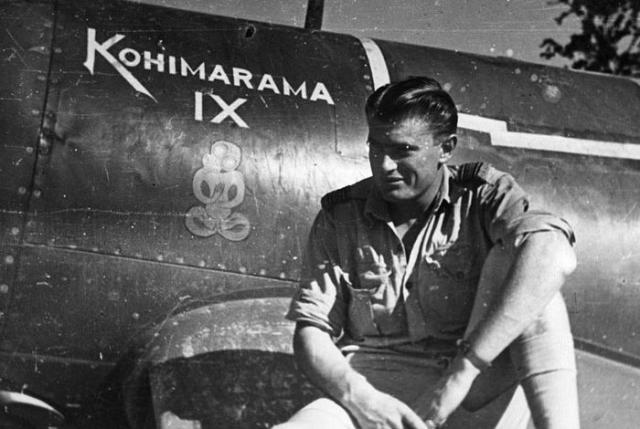
Continuing on from The New Zealand Tiki Squadrons (1) there were further examples of tiki art in use by the New Zealand military (in both the RAF and the RNZAF) during World War II. Next up is No. 135 Squadron RAF stationed in India in 1943, which flew Hurricanes. It’s not clear exactly how many New Zealanders operated in this squadron but the specific Hurricane pictured was flown by Pilot Officer WH “Hugh” Dean of the RNZAF. Continue reading “The New Zealand Tiki Squadrons (2)”